Run, walk, and train again without shin pain holding you back.
Shin splints are pain along the inner edge of the shinbone from repeated stress on the bone and the tissue around it. We find what is overloading your legs and help you get back to running, sports, and long days on your feet.
Calves that feel tight all the time, with shins that tire quickly during a workout.
How we help
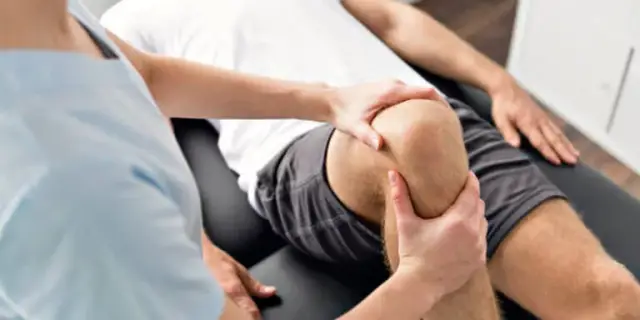
Soft tissue work, calf and ankle mobility, and strengthening for the calves, hips, and core.
04
Running form and surfaces
What it feels like
Pain that shows up on pavement, hills, or a track, or when you land hard on your heels.
How we help
Movement training to soften your landing and advice on surfaces and cross-training while you recover.
Your care team
How We Treat Shin Splints
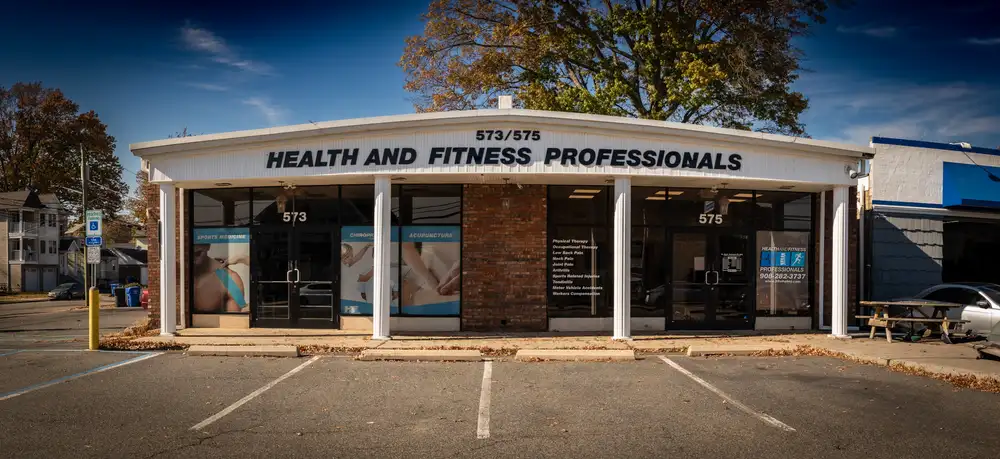
Your plan brings in the specialties that fit what is driving your pain. Your providers work in the same building and adjust your care together as you get back to activity.
Usually you will need to cut back or change what you do for a while, but you may not have to stop moving. We can swap in lower-impact exercise like cycling or swimming and tell you when it is safe to start running again.
How long do shin splints take to get better?
It depends on how long you have had them and how much load your legs are under. Catching them early tends to make recovery easier. We track your progress and add activity back in steps, so you always know where you stand.
Is it shin splints or a stress fracture?
Shin splints tend to cause pain along a longer stretch of the shinbone. A stress fracture is more often a small spot that is very tender to touch and hurts even at rest. If your evaluation points to a fracture, we will refer you for imaging before you train again.
Do I need new shoes?
Worn-out or poorly fitting shoes can play a part, so we will take a look at yours. Shoes alone rarely fix the problem, though. Strength, training load, and how you land matter just as much.
How can I keep shin splints from coming back?
Warm up before you train, build up your mileage and intensity slowly, mix in cross-training, and wear shoes that support you well. We also give you strengthening exercises to keep doing after your pain is gone.
Do you accept insurance?
Yes. We accept most major plans, including Medicare, Blue Cross Blue Shield, Aetna, Cigna, and UnitedHealthcare, and we verify your benefits before your first visit. Call (908) 282-3737 and we will check your coverage.